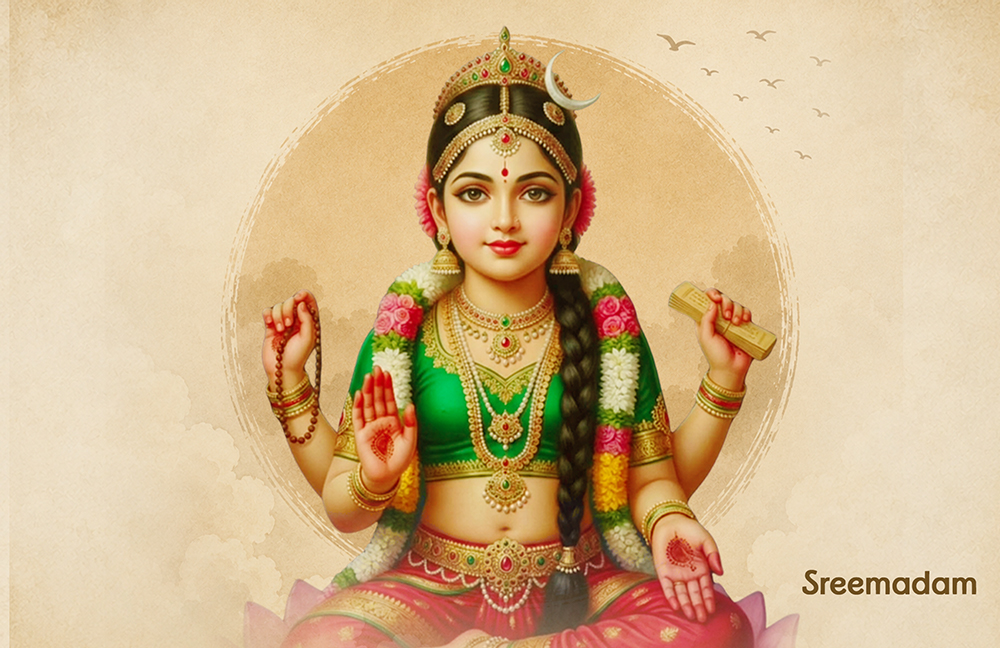
Introduction to Varalakshmi Nombu While many spiritual festivals are celebrated publicly in temples, certain sacred observances are performed within the sanctity of our homes. Among these, Varalakshmi Nombu (Varalakshmi Vratam) is one of the most revered fasts, observed primarily by married women (Sumangalis) and young maidens across South India. On this auspicious day, devotees worship Goddess Mahalakshmi—the embodiment of wealth, grace, and abundance.
Spiritual Significance The core objective of this fast is for married women to pray for the longevity, health, and well-being of their husbands, as well as the lasting peace and prosperity of their households. By meditating upon Goddess Mahalakshmi with pure devotion, families seek Her divine grace to overcome obstacles, achieve financial stability, and nurture harmonious relationships. Unmarried women also observe this fast to pray for a virtuous life partner and a blessed future.
Ritual Preparation at Home
- Preparation & Decorating: On the evening before the fast (Thursday), thoroughly clean the home, draw traditional rice-flour Kolams, and hang fresh mango-leaf garlands (Mavilai Thoranam) at the main entrance.
- Setting the Sacred Altar: Clean a wooden platform (Marapalakai) and place it in the South-East corner over a fresh Kolam.
- Placing the Base: Position a silver tray, brass plate, or fresh banana leaf on the platform (avoiding stainless steel during worship). Spread three handfuls of raw rice or paddy over it while offering prayers to Goddess Mahalakshmi.
Preparing the Sacred Kalasam Inside a brass or silver pot (Sembu), place raw rice, turmeric, kumkum, betel leaves, betel nuts, and 9 or 11 regular coins (or a small gold/silver coin). Add sacred natural ingredients like nutmeg (Jadhikkai), mace (Maasikkai), cardamom, cloves, a whole lemon, and black glass beads (Karugamani).
Arrange fresh mango leaves around the mouth of the pot and place a polished coconut on top. Apply turmeric and kumkum to the coconut, then attach the divine face (Amman Thirumugam) of the Goddess made of sandalwood, silver, or brass. Decorate the Kalasam with a new yellow or red silk cloth and traditional jewelry.
Welcoming Goddess Lakshmi & Conducting the Pooja On Thursday night, place the Kalasam near the entrance. On the morning of Varalakshmi Nombu (Friday, August 21, 2026), take an early bath, decorate the entrance, and formally invite the Goddess inside with prayers for Her permanent presence and blessings.
Carry the Kalasam to the altar facing East. Sit facing North during the worship:
- Begin with Kumba Pooja and worship Lord Ganesha using Durva grass (Aruvam Pull).
- Recite sacred hymns such as the Mahalakshmi Stotram, Ashtalakshmi Stotram, and Kanakadhara Stotram.
- Offer festive rice dishes, Payasam, Vada, Kozhakattai, curd, milk, ghee, and honey as Neivedhyam.
The Sacred Nombu Thread & Tamboolam Place the 9-knot yellow thread (Nombu Charadu) near the Kalasam during worship. After offering flowers and lamps, tie the sacred thread on your right wrist with assistance from your husband or an elder married woman to receive their blessings.
Invite married women (Sumangalis) to your home, offer them a meal, and present them with traditional Tamboolam (betel leaves, betel nuts, turmeric, kumkum, flowers, blouse fabric, sweets, and fruits). Distributing Tamboolam on this sacred day brings immense blessings of health, progeny, and long married life (Dheerga Sumangali).
Concluding Rituals
- On Friday evening, place the coconut and raw rice used in the pooja into your home's primary rice storage container (Arisi Paanai) to symbolize lasting abundance.
- Perform a simple morning prayer on Saturday to complete the fast, invoking the continuous grace of Goddess Annapoorneswari.
May Goddess Varalakshmi bless you and your family with peace, health, and boundless prosperity.