
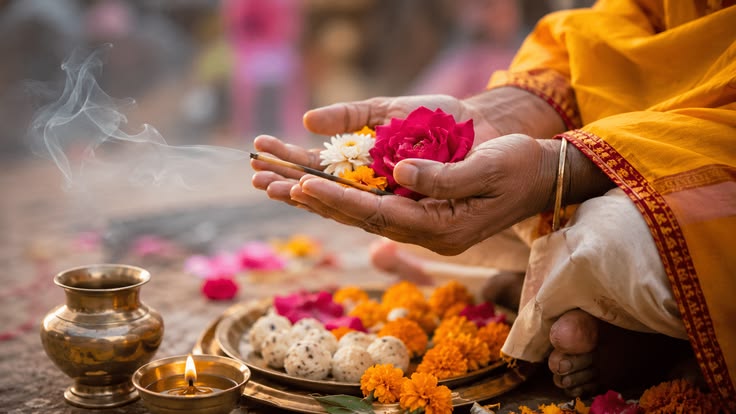
Mahalaya Amavasya: Sacred Significance, Pitru Tarpanam, and Core Rituals
By Siva Muralidharan
Mahalaya Amavasya is the most sacred new moon day in Sanatana Dharma dedicated entirely to honoring our ancestors (Pitrus). Falling on the final day of the sacred fortnight of Pitru Paksha (in the Tamil month of Purattasi or the North Indian month of Ashwin), this day marks a unique celestial alignment where the veil between the physical realm (Bhuloka) and the ancestral realm (Pitru Loka) is at its thinnest.
According to Vedic philosophy, living beings carry three fundamental debts from birth: Deva Rina (debt to the deities), Rishi Rina (debt to sages and teachers), and Pitru Rina (debt to our parents and ancestors). Mahalaya Amavasya provides the ultimate opportunity to express heartfelt gratitude and clear Pitru Rina. For deeper spiritual insights and traditional teachings, devotees can explore Sreemadam Sri Balapeedam.
Why Is Mahalaya Amavasya Special?
While regular Amavasyas throughout the year are meant for direct parents and grandparents, Mahalaya Amavasya is universal:
- Open for All Departed Souls: On this single day, you can offer prayers and water (Tarpanam) not just for your three immediate generations, but also for distant relatives, mentors, friends, departed pets, and even souls who have no living descendants to pray for them.
- Akshaya Trupti (Eternal Satisfaction): Offerings made on Mahalaya Amavasya are believed to provide deep, enduring peace to departed souls, liberating them from subtle cravings and aiding their onward journey.
- Gateway to Devi Navaratri: Mahalaya Amavasya marks the quiet, introspective close of Pitru Paksha. The very next morning begins the vibrant, auspicious nine nights of Sharad Navaratri, celebrating Divine Mother Shakti.
Key Spiritual Benefits
- Relief from Pitru Dosha: Removes unseen obstacles that cause unexpected delays in career, education, marriage, or family harmony.
- Generational Blessings: Satisfied ancestors shower their descendants with health, longevity (Aayush), prosperity, and lineage growth (Vamsa Vriddhi).
- Inner Peace: Acknowledging the lineage that gave us our physical body and life values dissolves subconscious guilt and brings profound mental calm.
How to Observe Mahalaya Amavasya at Home
You do not need complicated ceremonies to honor your ancestors. Sincerity and devotion (Shraddha) are what matter most:
- Brahma Muhurta Snanam: Wake up early, take a bath with pure intention, and wear clean traditional clothes.
- Tila Tarpanam (Water Offering): Men traditionally offer black sesame seeds (Tila), pure water, and sacred Darbha grass facing south, chanting simple prayers of gratitude for all departed souls.
- Fasting Discipline: Keep your meals strictly Satvik (avoiding onion, garlic, alcohol, and heavy spices) until rituals and charity are finished.
- Annadhanam (Feeding the Needy): Feeding people in memory of your ancestors is the most powerful act on this day. Offering food to birds (especially crows), cows, and stray animals carries immense Vedic merit.
- Inner Reflection: Spend the day in peace, avoiding anger, arguments, or unnecessary material pursuits.
Expressing selfless gratitude on Mahalaya Amavasya ensures that your lineage remains blessed, protected, and peaceful.

Siva Muralidharan
Director